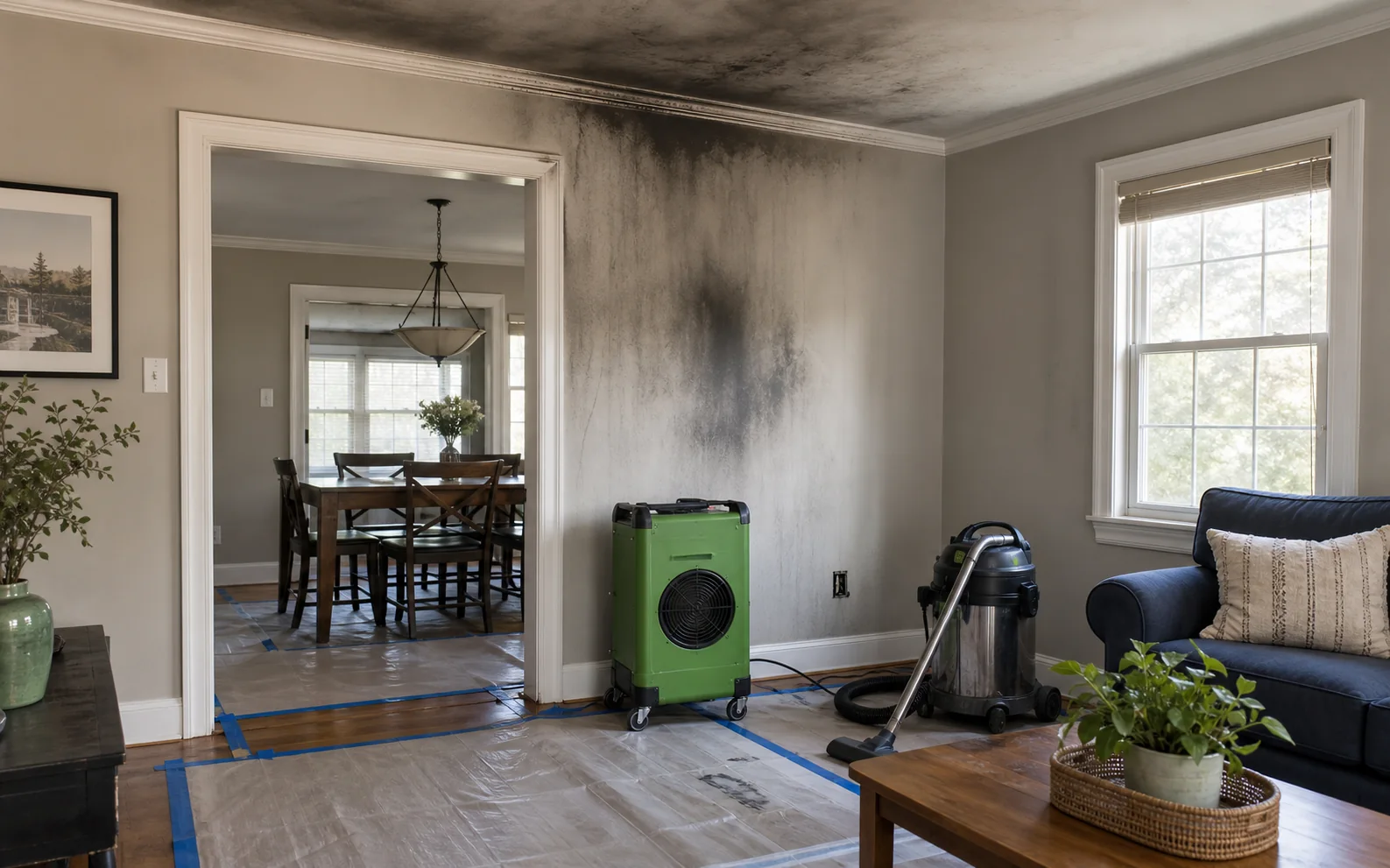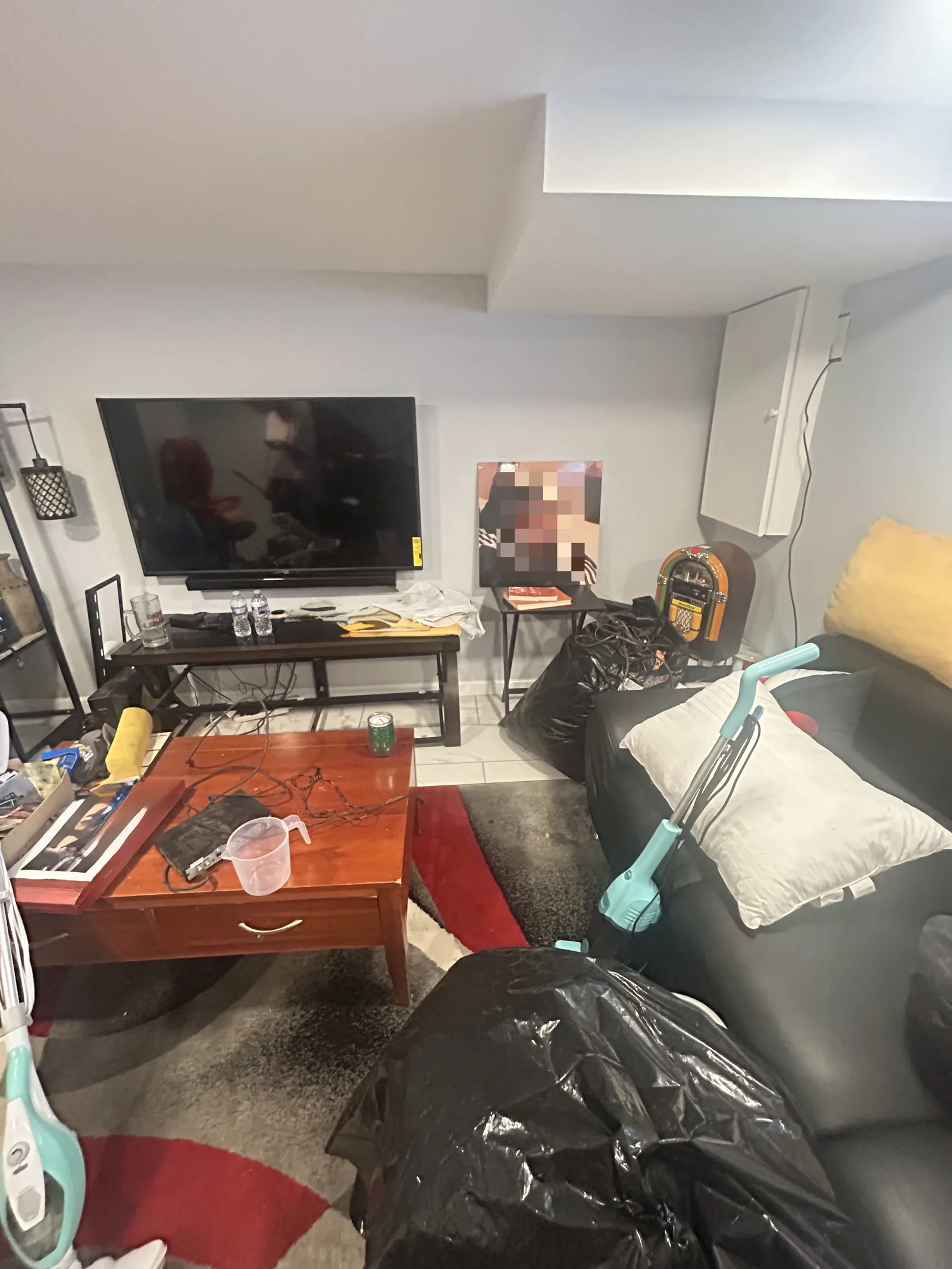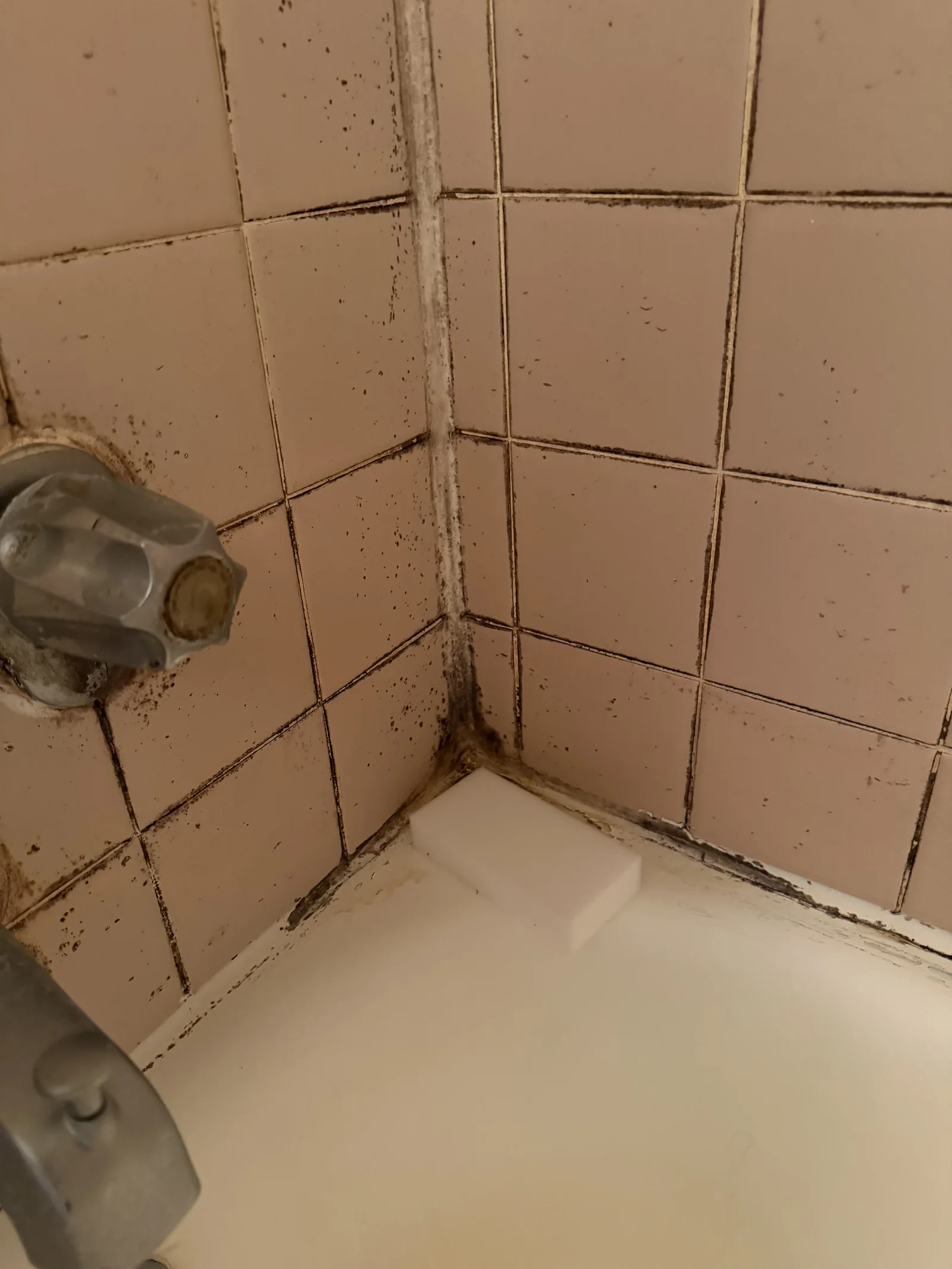
Safety before scheduling
The initial review identifies emergency conditions, access restrictions, and specialist needs.
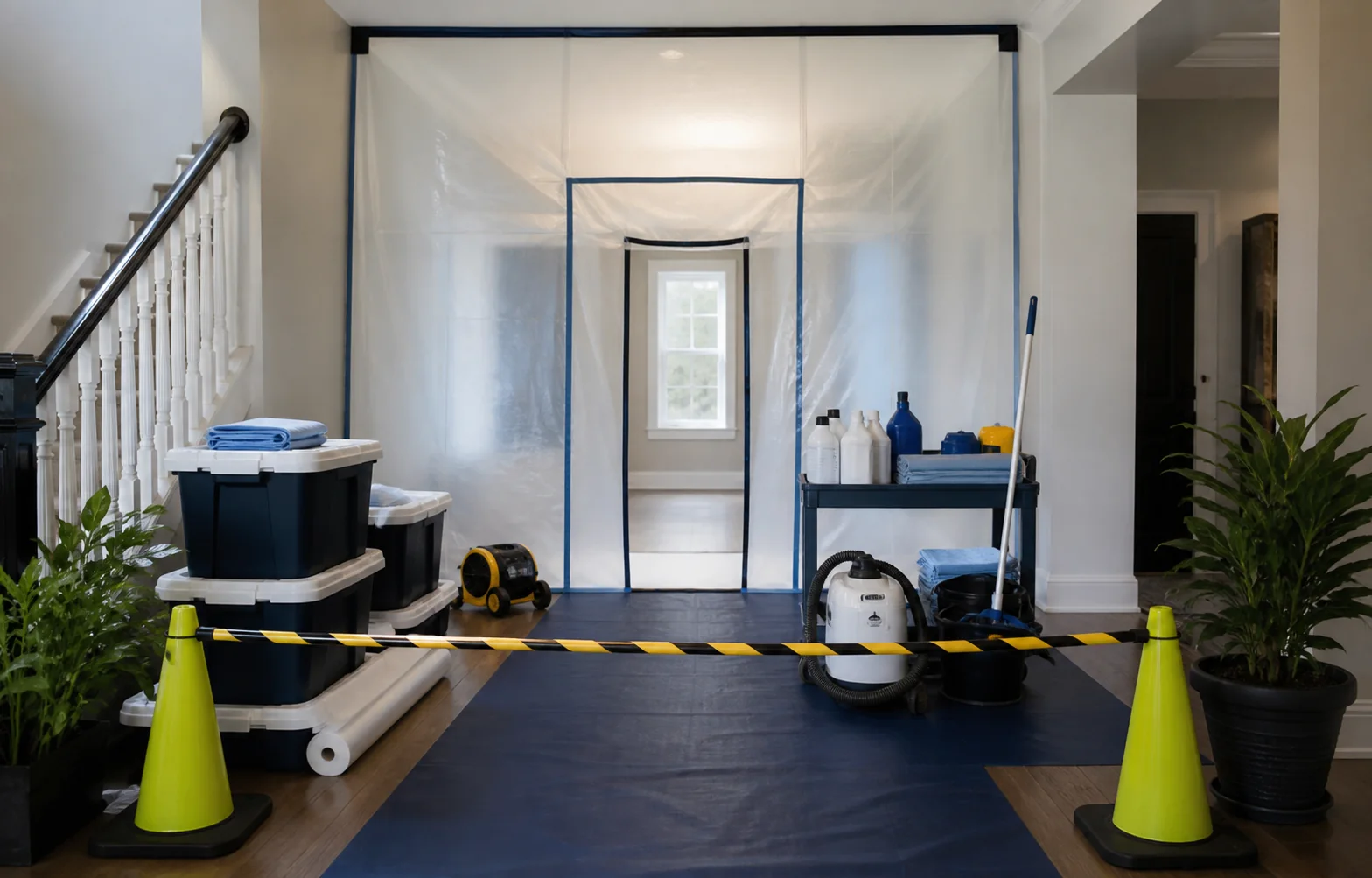
Potentially hazardous scenes require restricted access, an honest assessment, appropriate controls, and confirmation that the property has been released for cleanup.
Safety first: Do not enter an active crime scene, structurally unsafe property, or area with unknown exposure risks. Call 911 for immediate danger. Service availability does not replace police, fire, medical, environmental, or public-health guidance.
Biohazard and crime scene cleanup can involve health risks, regulated materials, emotionally difficult circumstances, and coordination with property representatives or authorities. The first conversation should focus on immediate safety, who controls the property, whether emergency responders have released the scene, and what materials may be present. No website description can determine whether a specific site is safe to enter.
The initial review identifies emergency conditions, access restrictions, and specialist needs.
Only the information needed to assess scope, access, and next steps is requested.
Cleaning, removal, transport, disposal, contents, and documentation are separated in writing.
Every property is different. The final estimate should identify the exact rooms, surfaces, tasks, access, materials, responsibilities, and exclusions.
Discuss My ProjectThe exact sequence changes with safety, property access, materials, and the agreed service. These are the practical checkpoints to expect.
Do not enter or disturb the area; call emergency services for immediate danger or an active incident.
Identify who controls the property and whether police, fire, medical, or other authorities have released it.
The business reviews known materials, affected areas, access, disposal, and whether specialists are needed.
Only an approved written scope should guide containment, cleaning, removal, and closeout.
No specific brand or product promise was supplied by the client. Product and equipment responsibilities should be confirmed during the estimate, especially for sensitivities, specialty finishes, hazards, or manufacturer warranties.
Handling, transport, disposal, documentation, and access rules can vary by material and jurisdiction across DC, Maryland, and Virginia. The business must confirm the exact scope and whether qualified specialist partners, testing, or regulated disposal arrangements are required before accepting a project.
Not sure whether this is the right page? Call or use the estimate form and describe the current condition before choosing a category yourself.
These visible questions are the only questions included in this page's FAQ structured data.
No. Avoid touching, moving, or attempting to clean potentially hazardous material. Restrict access and follow emergency-service or public-health instructions.
No. The authorized property contact should confirm the scene has been released and that cleanup is permitted before access is planned.
No. Acceptance depends on the known material, legal requirements, property condition, required qualifications, disposal needs, location, and team availability. A specialist referral may be the safest next step.
Share the property, timing, and service you have in mind. We'll review the scope and confirm the next step.