Condition-based scope
Residue, materials, affected rooms, utilities, and safety status are reviewed before methods are chosen.
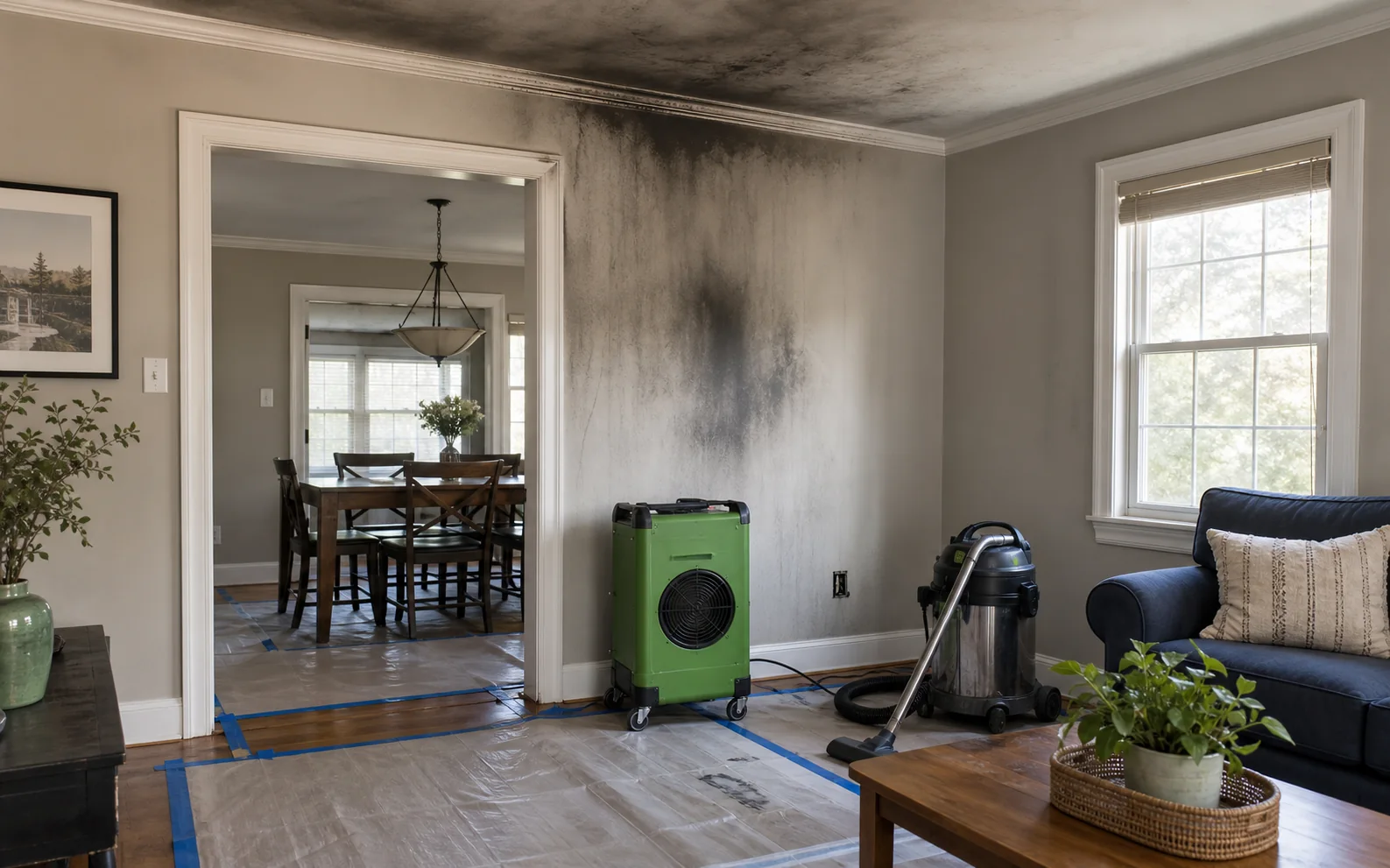
After the property is released and made safe, a cleanup plan can separate soot, smoke residue, odor, contents, and surfaces that need specialist restoration.
Safety first: Never enter a fire-damaged property until emergency authorities and appropriate professionals say it is safe. Structural, electrical, air-quality, asbestos, lead, and water hazards may require separate specialists.
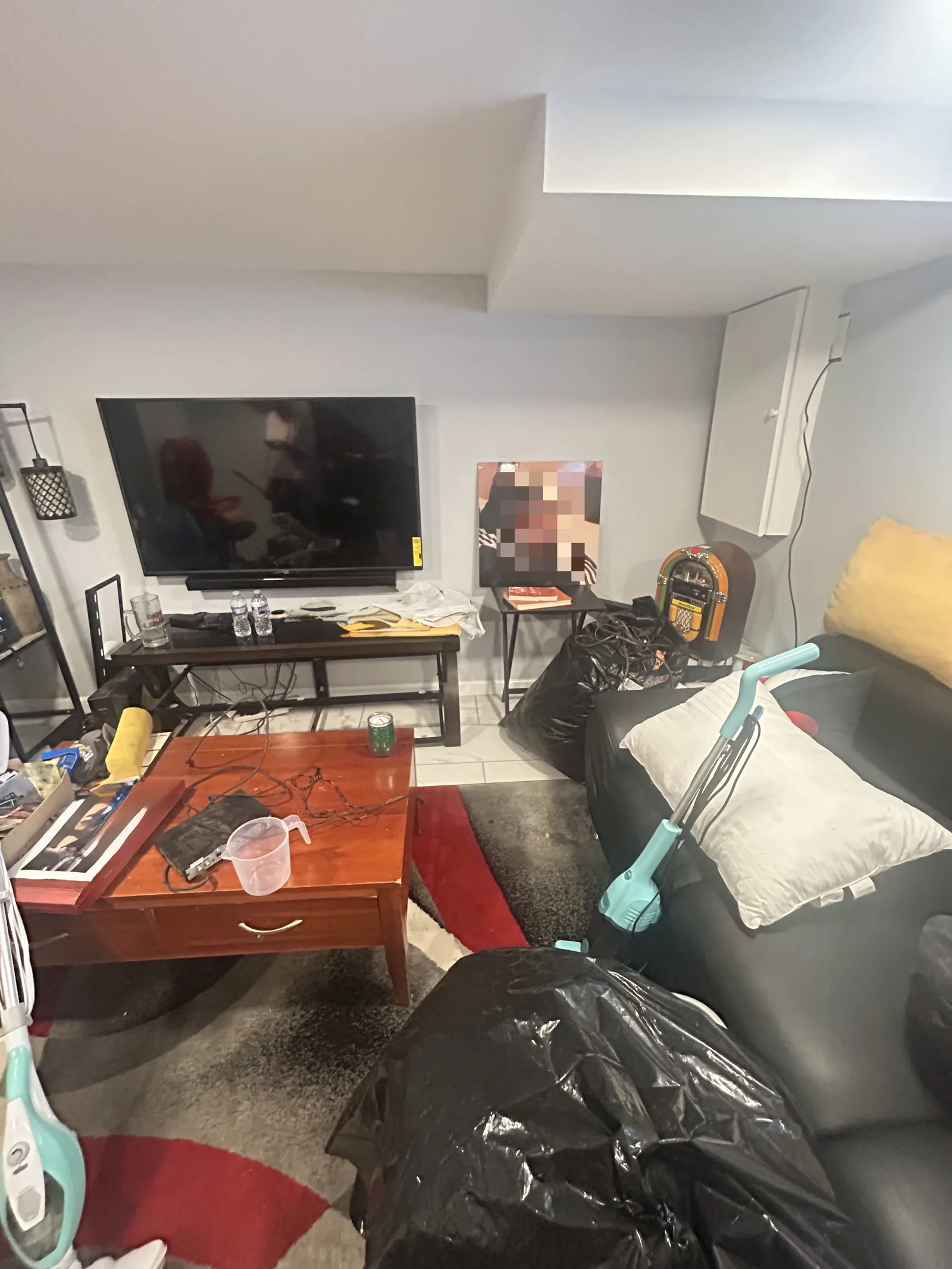
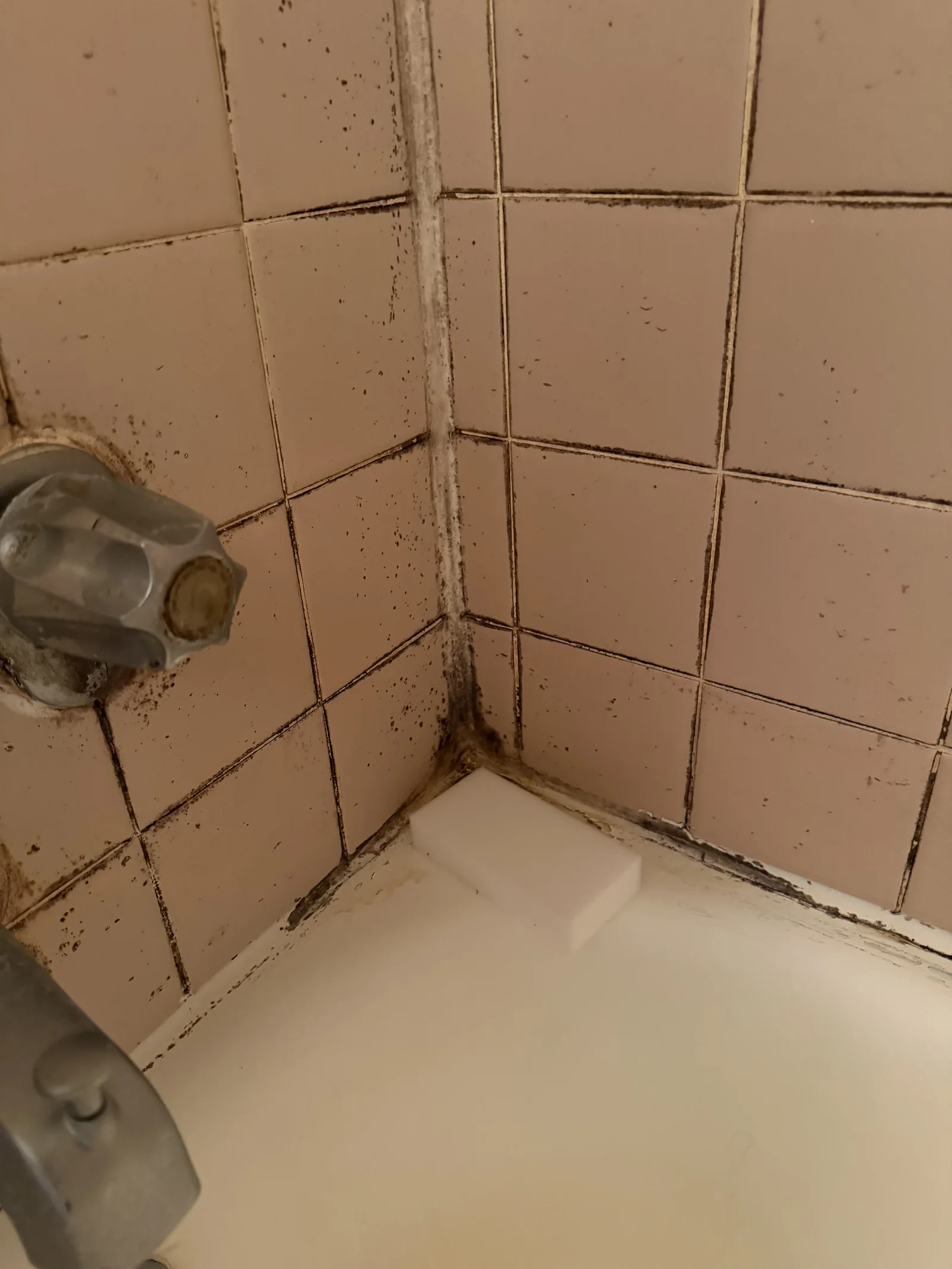
Fire and smoke damage can affect rooms beyond the visible source. Residue type, heat, suppression water, material porosity, HVAC movement, and time all influence what can be cleaned and what may need removal or specialist restoration. The first visit should document visible conditions without promising that cleaning alone can restore every material or eliminate every odor.
Residue, materials, affected rooms, utilities, and safety status are reviewed before methods are chosen.
Photos and a written task list can support clearer conversations with property representatives and insurers.
The proposal can identify materials that need testing, removal, repair, or a different specialist.
Every property is different. The final estimate should identify the exact rooms, surfaces, tasks, access, materials, responsibilities, and exclusions.
Discuss My ProjectThe exact sequence changes with safety, property access, materials, and the agreed service. These are the practical checkpoints to expect.
Fire officials or qualified professionals must release unsafe areas before cleaning access.
Note affected rooms, residue, moisture, materials, contents, utilities, and access limits.
Selected methods can be evaluated on representative surfaces before the full scope proceeds.
Complete approved tasks and identify remaining repair, removal, odor, or specialist needs.
No specific brand or product promise was supplied by the client. Product and equipment responsibilities should be confirmed during the estimate, especially for sensitivities, specialty finishes, hazards, or manufacturer warranties.
Local fire-department release, building access, utility status, property ownership, insurance documentation, and disposal rules can affect when cleanup starts. Sarah Tokwaulu's experience dealing with property damage, home inspections, and insurance adjusters can inform organized communication, but customers should confirm coverage and claim requirements directly with their insurer.
Not sure whether this is the right page? Call or use the estimate form and describe the current condition before choosing a category yourself.
These visible questions are the only questions included in this page's FAQ structured data.
Not always. Odor can remain in porous materials, wall cavities, HVAC systems, and items affected by heat or water. The assessment should explain likely limits and any specialist work that may be needed.
Avoid it. Incorrect wiping can smear or set residue and may disturb hazardous material. Limit access and wait for a safe assessment.
Sarah has experience dealing with insurance adjusters, but exact project communication and documentation must be confirmed. Coverage decisions, approvals, and payments remain between the customer and insurer.
Share the property, timing, and service you have in mind. We'll review the scope and confirm the next step.